About us
Building Engineering
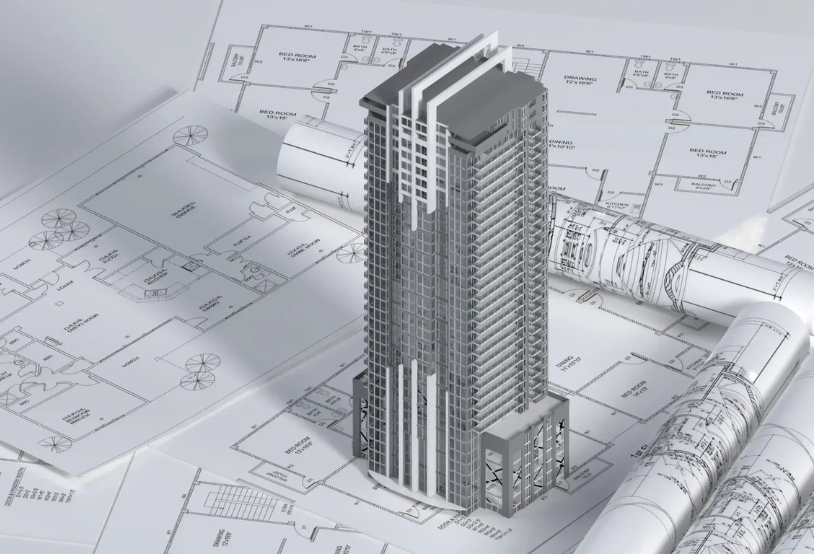
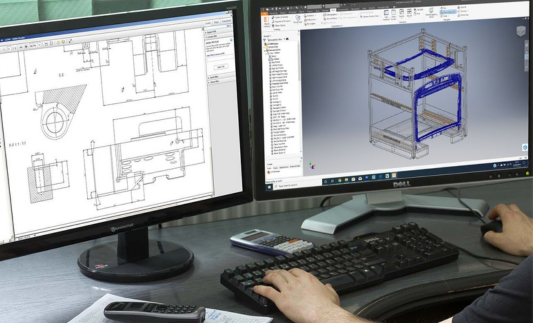
Digitalarch is a multidisciplinary engineering consultancy focused on the design, analysis, and technical coordination of buildings. Our work spans structural engineering, building services, building envelope design, building physics, compliance, and technical advisory services. Across every discipline, our role is to develop clear, coordinated engineering documentation that is comfortably transferrable for use in construction.
Buildings are complex systems made up of many interconnected elements. Structural frameworks, environmental systems, facades, and regulatory requirements must all work together seamlessly. Our approach brings these disciplines into alignment, ensuring that each aspect of a project is considered not only individually, but as part of a fully integrated whole. The result is engineering that supports architectural intent, improves performance, and reduces uncertainty throughout the design process.
We collaborate closely with architects, developers, contractors, and project stakeholders to provide the technical foundation needed for informed decision-making. From early-stage feasibility through to detailed design and technical documentation, we help shape buildings that are safe, efficient, and resilient.
How we work
Buildings only perform as intended when decisions are made with an understanding of how all systems interact. A change in facade design can affect energy use, structure, and internal comfort. A services strategy can influence spatial planning, envelope detailing, and long-term operational cost. Because of this, we focus on the relationships between disciplines rather than isolated technical outputs.
Contact UsOur process is grounded in analysis, coordination, and early-stage insight. We help project teams understand how a building will respond to real-world conditions before those decisions are locked in. This allows performance, cost, and risk to be considered together, rather than resolved separately at later stages when flexibility is limited.
The result is a more coherent design process, where technical decisions reinforce one another instead of competing.
Performance-led design
thinking
A building’s success is ultimately defined by how it performs once occupied. Temperature stability, daylight quality, acoustic comfort, moisture control, and energy use all shape how a space is experienced and how it operates over time. These outcomes are not accidental—they are the result of decisions made throughout the design process. We use analysis and modelling to test how buildings will behave under different conditions, helping teams move from assumptions to evidence-based design. This allows performance considerations to inform the design from the earliest stages, rather than being adjusted later in response to issues. By understanding performance as part of the design process—not separate from it—we help reduce uncertainty and improve long-term building outcomes.
From early concepts to detailed resolution
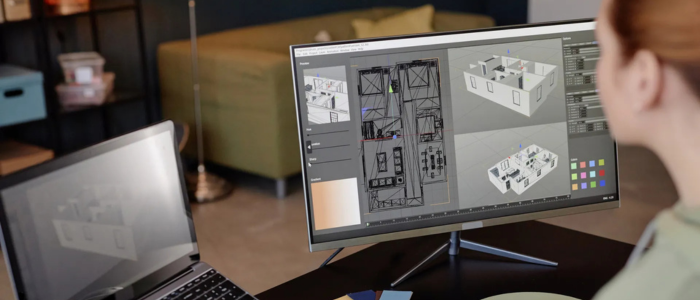
Projects evolve through stages of increasing definition, and technical clarity is essential at every step. Early decisions shape structure, spatial layout, environmental strategy, and regulatory pathways long before detailed information is developed. We support this progression by developing technical understanding in parallel with design evolution. This ensures that as a project becomes more defined, it remains consistent, coordinated, and grounded in realistic performance expectations. As design detail increases, the focus shifts toward precision—ensuring that systems, interfaces, and requirements are fully resolved so that they align with the overall intent of the project without introducing conflict or ambiguity.
Reducing uncertainty in complex projects
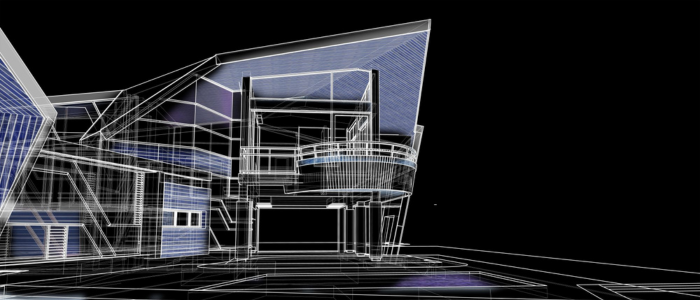
Every project carries technical uncertainty, whether related to existing conditions, environmental exposure, system performance, or regulatory interpretation. If not addressed early, these uncertainties can accumulate and affect cost, program, and design quality. Our role is to identify and reduce those uncertainties through structured technical evaluation. This includes assessing how buildings behave, how they are likely to be used, and how different design choices may influence long-term outcomes. By making these factors visible early, decisions can be made with greater confidence and fewer assumptions. This approach supports more predictable project delivery and reduces the need for reactive changes later in the process.
Coordination as a
core principle
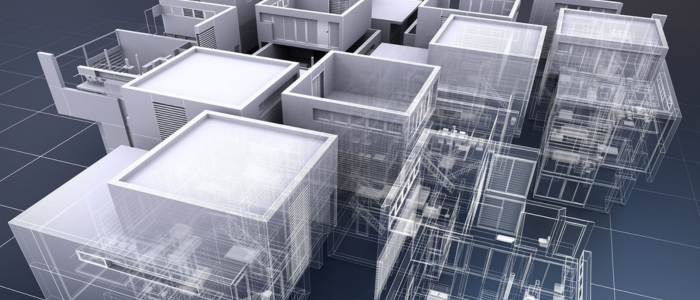
A building only works when all parts work together. Structural systems influence spatial planning, environmental strategies influence envelope design, and regulatory requirements shape both. Without coordination, even well-designed individual elements can create conflict when combined. We place strong emphasis on ensuring that technical decisions align across disciplines. This involves continuous coordination of assumptions, constraints, and design intent so that no system is developed in isolation. The goal is not simply technical correctness, but overall coherence—ensuring that the building operates as a unified system rather than a collection of disconnected parts.
Long-term thinking
in design
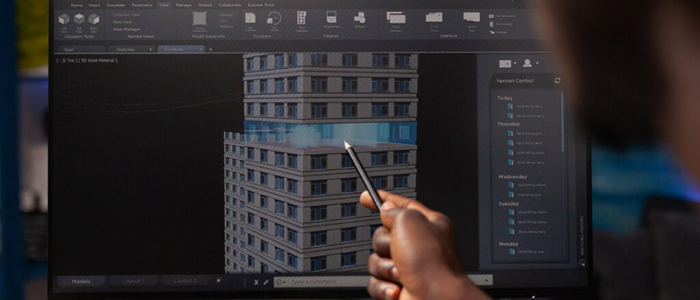
While many decisions are made during early design stages, their impact extends far beyond completion. Maintenance requirements, operational efficiency, adaptability, and environmental performance all depend on how a building is conceived and detailed. We consider how buildings will behave over time, not just at a point of completion. This includes how systems age, how materials respond to exposure, and how usage may evolve. By embedding this perspective into the design process, we help support buildings that remain functional, efficient, and relevant throughout their lifecycle.
Thinking beyond individual components
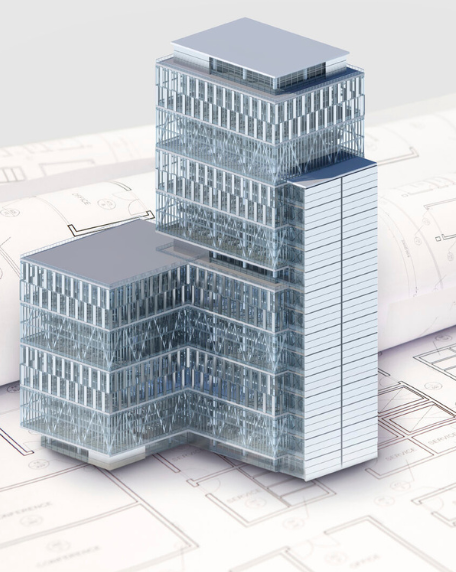
Modern buildings are highly integrated environments, where structure, environmental systems, and
the external fabric all influence each other continuously. When these elements are not aligned,
inefficiencies emerge—whether in performance, usability, maintenance, or long-term resilience.
Our approach is to look at the building as a whole rather than as individual parts. This means
understanding how loads are distributed, how environmental conditions move through spaces, how
materials respond over time, and how users experience the internal environment. By considering
these interactions early, we help reduce coordination issues and support designs that are more stable,
predictable, and efficient.
This systems-based perspective allows us to identify risks and opportunities that are not always
visible within traditional design boundaries.
Our perspective
We see engineering as a discipline that connects intent with reality. Design ideas only become
successful buildings when they are supported by clear technical understanding and coordinated
decision-making.
Our role is to provide that understanding—helping project teams navigate complexity, reduce
uncertainty, and develop buildings that perform consistently as intended.