Our Principles
How we work, what we stand for, and what clients often ask us
Our work sits at the intersection of technical engineering, design coordination, and regulatory requirements. In that environment, how decisions are made is just as important as what is designed. Ethics and values shape how we approach projects, how we handle technical responsibility, and how we support the teams we work with.
This page outlines the principles that guide our work, followed by answers to common questions about how we operate and what clients can expect.
Ethics & Professional Standards
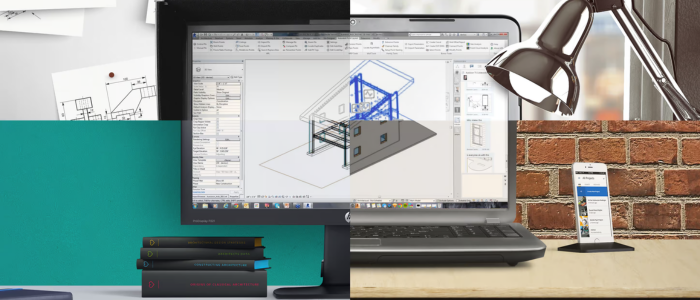
Responsibility in engineering decisions
Engineering work directly affects the safety, performance, and long-term operation of buildings. We
treat this responsibility as fundamental to every project. Technical decisions are made with careful
consideration of real-world implications, not just theoretical outcomes or isolated calculations.
We prioritize sound engineering judgment, consistency of approach, and transparent reasoning in all
technical work. Where constraints or uncertainties exist, these are clearly identified so that informed
decisions can be made at the appropriate stage.
Integrity in technical
advice
We provide independent engineering input based on analysis, established principles, and projectspecific conditions. Our advice is not influenced by non-technical pressures and is always grounded
in what is technically appropriate for the building in question.
Where multiple solutions are possible, we clearly outline the trade-offs so that project teams can
make informed decisions based on performance, cost, risk, and program considerations.
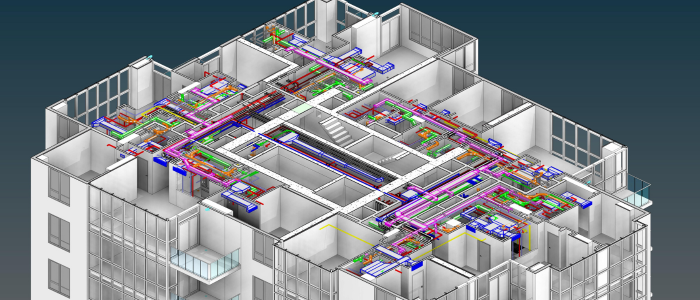
Clarity and
transparency
Technical communication plays a critical role in engineering outcomes. We aim to ensure that all
documentation, calculations, and recommendations are clear, structured, and easy to interpret by all.
Assumptions, limitations, and design basis are always stated explicitly. This reduces ambiguity and
ensures that engineering decisions can be properly understood and reviewed.
Accountability and technical discipline
We maintain a disciplined approach to engineering work, ensuring that design decisions are
traceable and supported by appropriate analysis. This includes maintaining consistency across
disciplines and ensuring that technical outputs align with agreed design intent and regulatory
requirements.
When challenges arise, they are addressed directly through engineering reasoning rather than
avoided or deferred.
Respect for the wider design process
Buildings are developed collaboratively across multiple disciplines. We respect the role of
architects, developers, contractors, and other consultants, and focus on contributing engineering
input that strengthens coordination rather than complicates it.
Our approach is to support the overall design process by providing clarity and reducing technical
uncertainty.
Core Values
Precision over assumption
We employ evidence-based engineering over assumptions, ensuring that decisions are supported by analysis, calculation, or established standards wherever possible.
Coordination over isolation
We view buildings as integrated systems and focus on how disciplines interact, rather than treating them as separate technical silos.
Practicality over complexity
We aim to produce engineering solutions that are not only technically correct but also practical, buildable in concept, and clear in application.
Transparency over ambiguity
We believe technical information should be understandable and traceable, with clear reasoning behind design decisions.
Long-term performance over short-term fixes
We consider how buildings behave over time, ensuring that solutions support durability, maintainability, and operational efficiency./p>
Frequently Asked Questions
01 . Do you work on new builds or existing buildings?
Both. We support new developments from early design stages through to detailed technical resolution, and we also work with existing buildings where assessment, adaptation, or performance improvement is required.
02 . Do you only provide calculations and reports?
No. While calculations and technical documentation are part of the work, a large part of what we do involves interpreting results, coordinating between disciplines, and supporting design decisions so that technical information is usable within the wider project context.
03 . Do you replace architects or other consultants?
No. We work alongside design teams and other consultants. Our role is to provide engineering input that supports architectural intent and coordinates with other technical disciplines.
04 . How do you handle compliance requirements?
Compliance is integrated into our engineering approach rather than treated as a separate task. We consider relevant codes and standards as part of the design process and ensure they are reflected in technical documentation and design decisions.
05 . How do you manage design responsibility across overlapping engineering disciplines?
We structure our input around the interfaces between disciplines rather than treating each scope in isolation. This allows us to identify where structural, services, envelope, and performance requirements interact, and to resolve those dependencies within a coordinated engineering framework. Responsibility is defined clearly at each interface to maintain technical consistency and reduce downstream ambiguity in design development.
06 . What makes your approach different?
The focus is on integration and clarity. Rather than treating engineering disciplines in isolation, we look at how they interact and ensure decisions are aligned across the full building design.
07 . How do you deal with conflicting requirements between structure, services, façade performance, and regulatory constraints?
Conflicts are addressed by evaluating the underlying performance and spatial drivers of each requirement rather than treating them as competing disciplines. We assess how each constraint affects the overall building system and prioritize resolution at the interface level. This often involves adjusting assumptions early in the design process to achieve a balanced solution that satisfies structural logic, environmental performance, and compliance simultaneously.