Structural Engineering
Designing Safe, Efficient, and Practical Structures
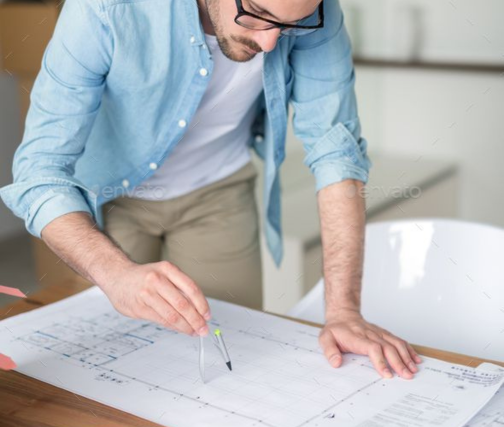
Every building depends on a carefully considered structural system that ensures it can stand safely, perform efficiently, and remain durable throughout its intended lifespan. From the foundations below ground to the primary frame that supports floors, roofs, and façades, structural engineering forms the backbone of every successful development. It is the discipline that translates architectural intent into something that can be realistically built, safely occupied, and maintained over time. Without a robust structural approach, even the most ambitious designs cannot be delivered in practice
Our structural engineering services focus on taking architectural concepts and developing them into fully resolved, coordinated structural solutions. This includes detailed calculations, structural layouts, drawings, and technical specifications that guide the project from early design stages through to construction. We work collaboratively with architects, contractors, and other consultants to ensure that structural decisions are integrated smoothly into the wider design. Whether a project is simple or highly complex, our goal is always to ensure safety, efficiency, and clarity in how the structure is conceived and delivered.
In new building developments, the structural design plays a critical role in shaping both the practicality and the cost-effectiveness of the project. Early decisions regarding structural form, material selection, and load paths can significantly influence construction efficiency, program duration, and long-term performance. For this reason, we place strong emphasis on developing structural solutions that are not only safe and compliant, but also rational and efficient to construct.
We design all key structural components, including foundations, load-bearing frames, floor systems, walls, and roof structures. Each element is carefully engineered to suit the specific requirements of the building, site conditions, and intended use. Our approach ensures that the structure aligns with architectural intent while remaining buildable and economical. By coordinating closely with design teams from the outset, we help reduce design conflicts, improve constructability, and support a smoother transition from concept to site delivery.
Structural Design for New Developments

Existing Buildings and Structural Alterations
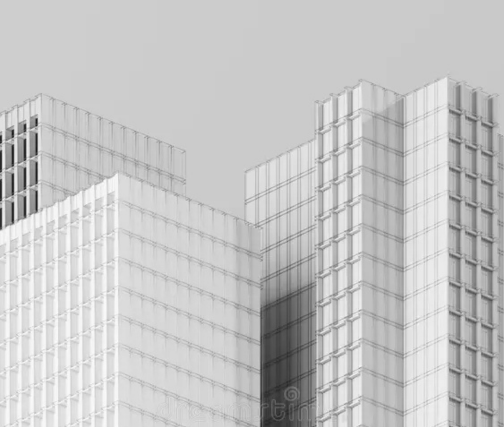
Working with existing buildings requires a detailed understanding of how current structural systems behave and how they will respond to change. Many projects involve refurbishments, extensions, or changes of use rather than new construction, and each of these introduces unique engineering challenges. The existing structure may impose constraints, but it can also provide opportunities when carefully assessed and adapted.
Our engineers carry out thorough evaluations of existing structural conditions before developing solutions that accommodate new requirements. This may include introducing new load paths, strengthening existing elements, creating new openings, or integrating new construction with older structures. In all cases, the priority is to maintain structural safety while enabling the desired architectural or functional changes. By combining investigation, analysis, and practical design solutions, we help ensure that existing buildings can be successfully adapted for continued or improved use.
Clear and accurate documentation is essential for translating design intent into construction reality. Structural engineering relies not only on sound calculations but also on the ability to communicate those decisions effectively to the wider project team. For this reason, we produce comprehensive structural information packages tailored to each stage of the project.
Our deliverables typically include structural calculations, technical drawings, specifications, and supporting reports. These documents explain how the structure is intended to perform, how loads are transferred through the building, and how individual elements interact. This level of clarity helps ensure that contractors can build confidently, and that design teams can coordinate effectively across disciplines. Good documentation also supports approvals and regulatory compliance, reducing uncertainty and helping to prevent issues during construction.
Engineering Documentation
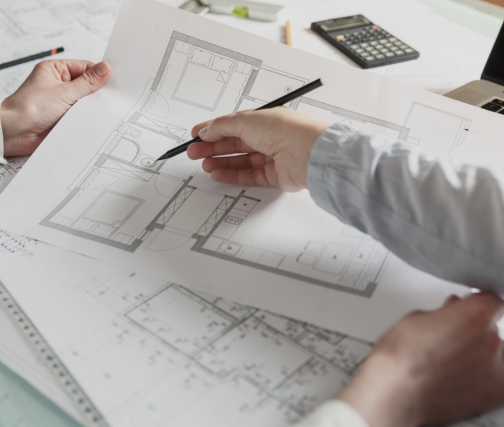
A Coordinated Engineering Approach
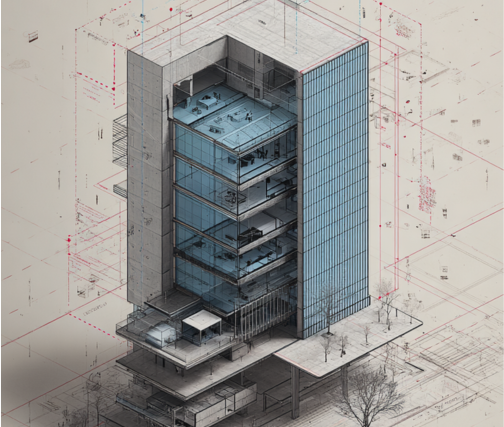
Structural engineering does not exist in isolation, and every structural decision has an impact on other aspects of the building design. The structural system must work in harmony with architectural requirements, building services layouts, façade design, fire safety strategies, and overall building performance. If coordination is not carefully managed, conflicts can arise that affect cost, programme, and buildability.
We take a coordinated approach to engineering design, working closely with all members of the project team to ensure that structural solutions integrate seamlessly with other disciplines. This collaborative process helps identify potential issues early, allowing them to be resolved before they affect construction. By maintaining clear communication and alignment throughout the design process, we help deliver buildings that are efficient, coherent, and practical to construct while still meeting the broader project objectives.
Effective structural engineering is not defined by calculations alone, but by how well those calculations translate into real, buildable solutions. A successful design must be practical on site, efficient in material use, and aligned with the architectural vision. It must also provide long-term reliability and confidence for both builders and end users.
Our focus is on developing structural designs that are clear, logical, and easy to implement in construction. We prioritise simplicity where possible, reducing unnecessary complexity while maintaining safety and performance. By balancing technical precision with practical delivery considerations, we ensure that the structures we design can be built efficiently and perform as intended throughout their lifespan. The result is a coordinated, dependable foundation upon which successful projects can be delivered.
Delivering Practical Structural Designs