Building Physics & Performance
Understanding How Buildings Perform
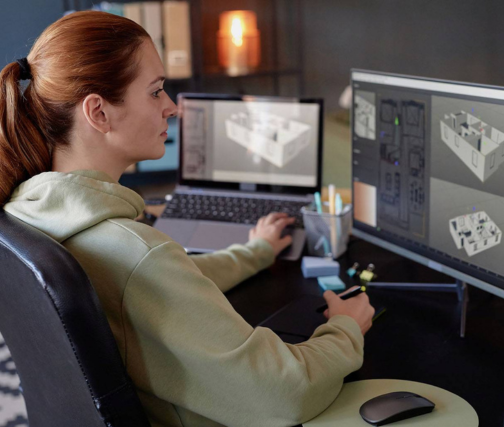
The appearance and architectural expression of a building is only one part of its overall success.
Equally important is how the building performs once it is constructed, occupied, and exposed to real
environmental conditions over time. Building physics and performance engineering focuses on how
buildings respond to factors such as temperature fluctuations, solar gain, wind exposure, humidity,
moisture movement, sound transmission, and patterns of occupancy. These physical influences
shape comfort, energy consumption, durability, and long-term operational efficiency. Through
detailed analysis and modelling, we provide the technical insight needed to understand these
behaviors before construction begins. This allows project teams to move beyond assumptions and
make evidence-based design decisions that improve overall building quality and performance
outcomes.
Our work supports architects, engineers, and developers by translating complex physical behavior
into clear, actionable guidance that can be used during the design process. By evaluating how a
building will respond under different conditions, we help identify opportunities for improvement
and reduce the risk of performance issues emerging later in the building’s life. This approach
ensures that performance considerations are embedded early in the design process, rather than being
addressed as an afterthought once construction is underway or complete.
Many critical aspects of building performance cannot be fully understood through drawings,
visualizations, or standard design coordination alone. Physical phenomena such as heat transfer
through building envelopes, daylight penetration into interior spaces, acoustic propagation between
rooms, and moisture movement through materials require specialist analysis to be properly
evaluated. Without this level of understanding, design decisions may unintentionally lead to
overheating, glare, poor acoustics, condensation risks, or inefficient energy use once the building is
in operation.
By carrying out detailed performance assessments during the early and developed stages of design,
we help project teams identify and address potential issues before they become embedded in the
final construction. This proactive approach reduces the likelihood of costly redesigns or remedial
works later in the project lifecycle. It also allows performance improvements to be integrated in a
coordinated way, rather than relying on reactive solutions. The result is a more refined design
process that leads to buildings which are more comfortable, more efficient, and better aligned with
their intended function and user expectations.
Informing Better Design Decisions

Looking Beyond Compliance
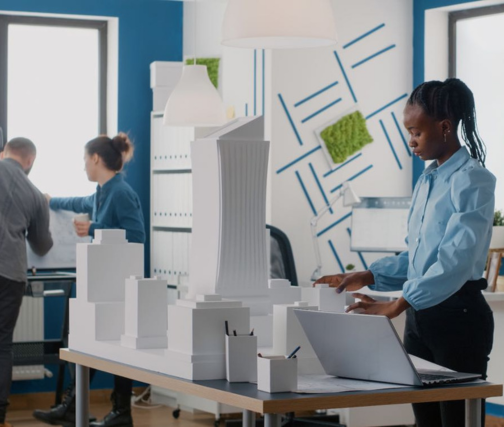
While building performance analysis is often required to demonstrate compliance with regulations,
standards, and planning conditions, its true value extends significantly beyond minimum
requirements. Compliance represents a baseline, but high-performing buildings are typically the
result of design decisions that go further, considering how spaces will actually be used and
experienced in practice.
A deeper understanding of building physics can directly influence key design choices, including
façade composition, glazing ratios, shading strategies, material selection, ventilation approaches,
and environmental control systems. These decisions have a lasting impact on occupant comfort,
operational costs, energy efficiency, and overall building resilience. By using performance analysis
as a design tool rather than purely a compliance exercise, we help unlock opportunities for improved
quality and long-term value. This approach supports more thoughtful, informed design development
that enhances both user experience and building efficiency over its entire lifecycle.
Building performance is inherently multi-dimensional, with different environmental factors
continuously interacting with one another. Thermal comfort, daylight availability, acoustic
conditions, ventilation effectiveness, and moisture control are all interconnected, and changes to one
aspect often influence several others. For example, increasing glazing to improve daylight may also
affect heat gain, glare, and acoustic separation. Similarly, improving airtightness can enhance
energy efficiency but may require careful ventilation design to maintain indoor air quality.
Our approach considers these interdependencies rather than evaluating each factor in isolation. By
assessing building performance as a complete system, we can identify balanced solutions that
optimize multiple criteria at the same time. This helps avoid design conflicts and ensures that
improvements in one area do not unintentionally create problems in another. The outcome is a more
integrated and considered design approach that supports buildings which perform well across all key
environmental aspects, not just individual metrics.
A Holistic View of Building Performance
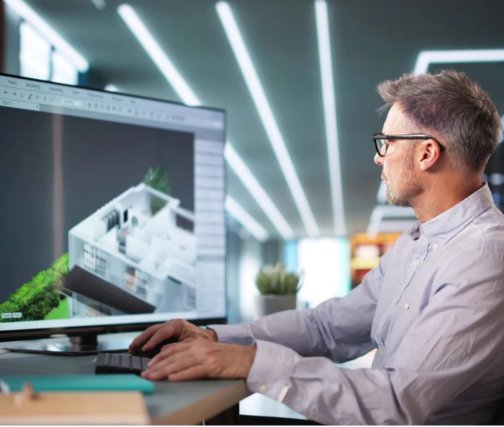
Creating Buildings That Perform as Intended

One of the main challenges in building design is ensuring that what is intended on paper is what is
actually achieved once the building is in use. Differences between design assumptions and realworld conditions can lead to performance gaps, where buildings do not operate as efficiently,
comfortably, or predictably as expected. Building physics and performance engineering plays a key
role in closing this gap by providing evidence-based analysis that informs better design decisions
from the outset.
Through simulation, modelling, and technical assessment, we help ensure that buildings are
designed with a clear understanding of how they will behave in practice. This reduces uncertainty
and supports more reliable outcomes in terms of comfort, energy use, and environmental quality.
The result is buildings that not only meet design expectations at completion, but continue to deliver
consistent, efficient, and high-quality performance throughout their operational life.